



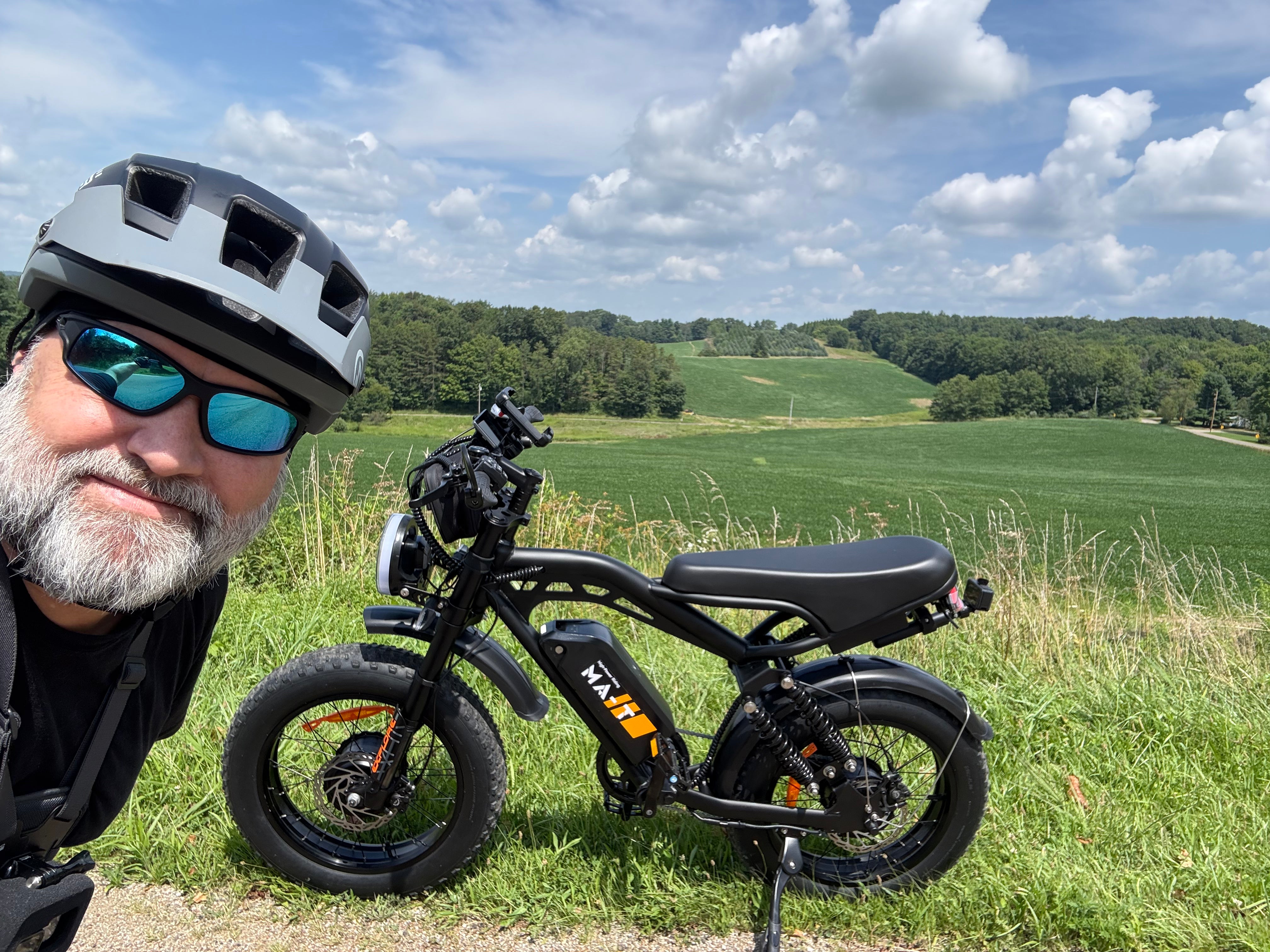
Fat tire electric bikes, or e-fat bikes, have rapidly risen in popularity, offering a thrilling mix of adventure and convenience. Whether you're an avid outdoor enthusiast or someone looking for a more comfortable way to navigate urban environments, these bikes offer the perfect solution for a wide range of terrain. With their oversized tires and powerful motors, fat tire e-bikes excel on difficult trails, from sand to snow, while providing a smooth, effortless ride.
While traditional mountain bikes might struggle in such conditions, fat tire bikes are built to handle everything. With the added advantage of electric power, these bikes are suitable for both seasoned riders and newcomers alike. This guide will cover everything you need to know about fat tire electric bikes, from their features and benefits to how to choose the right one for you.
What is a Fat Tire Electric Bike?
A fat tire electric bike is a type of e-bike designed to offer maximum stability and performance on uneven or difficult terrain. The main distinguishing feature of these bikes is their wide, oversized tires that range from 3.5 inches to 5 inches in width, designed specifically to improve traction and provide a smooth ride on rough surfaces like snow, sand, gravel, or even mud.
The bike is powered by an electric motor that assists the rider, reducing the effort required for pedaling, particularly on steep inclines or during long rides. These bikes typically come with motors in the range of 500W to 1,000W, offering sufficient power for tackling hills or difficult trails without much effort. This makes them a great choice for off-road enthusiasts and urban commuters alike.
A fat tire electric bike is equipped with a battery that allows for extended range, providing anywhere from 30 to 75 miles of travel on a single charge, depending on the bike’s configuration, the rider’s weight, and terrain conditions.
The Benefits of Fat Tire Electric Bikes
Fat tire electric bikes come with several distinct advantages that make them popular among a diverse group of riders. Here are some of the primary benefits:
1. Superior Traction and Stability
The wide tires on fat tire electric bikes allow for a much larger contact area with the ground, improving traction. This is particularly valuable when riding on snow, sand, or wet surfaces where traditional bikes would struggle. The tires help the rider maintain control and stability, preventing slips and ensuring a smooth ride, even in challenging conditions.
2. Enhanced Comfort
The large tires also act as natural shock absorbers. This is particularly beneficial for riders who enjoy off-road biking, as the bike can absorb much of the impact from bumps, rocks, and uneven terrain. This means less strain on the rider, offering a much smoother and more comfortable ride compared to traditional mountain bikes.
3. Electric Assistance for Easier Riding
One of the most significant advantages of fat tire electric bikes is the electric motor that assists in pedaling. Riders can choose the level of assistance, whether they’re tackling long, uphill stretches or simply cruising on flat terrain. With electric assistance, even beginners can handle challenging routes that would otherwise require extensive stamina.
4. Versatility Across Terrains
Fat tire bikes are built to handle a wide variety of terrains. From snow-covered paths to sandy beaches, fat tires excel where normal bike tires might fail. Whether you're looking to explore remote, rugged landscapes or simply navigate through city streets, fat tire e-bikes offer unmatched versatility.
Choosing the Right Fat Tire Electric Bike
When selecting a fat tire electric bike, there are several factors to consider to ensure you get the right one for your needs. Here are some key features to keep in mind:
1. Motor Power (500W to 1,000W)
Motor power is one of the most important factors when choosing an e-fat bike. A higher motor wattage (750W or 1,000W) will make it easier to climb hills and navigate tough trails. For urban commutes or mild off-roading, a 500W motor might be sufficient.
2. Battery Capacity (48V to 72V)
The battery capacity determines how far you can travel on a single charge. A battery with a higher voltage (such as 72V) will offer longer range, allowing you to ride up to 60 miles or more without needing a recharge. A 48V battery is still suitable for shorter rides, typically offering 25 to 40 miles of range.
3. Tire Size
Tire size plays a crucial role in the bike’s performance. Fat tires typically range from 3.5 inches to 5 inches wide, with wider tires offering better floatation over sand or snow. For most off-road adventures, tires in the 4-inch to 5-inch range are ideal, while narrower fat tires (around 3.5 inches) may be more suitable for urban commuting.
4. Suspension and Frame
A robust suspension system ensures a smoother ride on rough terrain. Look for bikes with front suspension forks or full suspension to help absorb bumps and shocks. Additionally, the frame should be strong yet lightweight, typically made from aluminum or steel, to ensure durability and ease of handling.
5. Price and Brand
Fat tire electric bikes come in a range of prices, from budget-friendly models to high-end options with advanced features. Popular brands like Rineco, Mongoose, Trek, and Razor offer a variety of options to suit different budgets and riding styles. Choose a bike that fits your budget while still providing the features you need for your adventures.
How to Maintain Your Fat Tire Electric Bike
Proper maintenance is key to ensuring the longevity and performance of your fat tire electric bike. Here are some maintenance tips:
1. Regular Cleaning
After riding through dirt, mud, or snow, clean your bike thoroughly. Use a hose with moderate pressure to remove dirt, but avoid using high-pressure water as it can damage electrical components. Wipe down the motor, battery, and wiring with a dry cloth to keep them free from moisture.
2. Tire Care
Check tire pressure regularly, as both over-inflated and under-inflated tires can affect performance. Fat tires are more prone to wear, so check the tread for signs of damage. If you're riding on rough terrain, keep an eye out for punctures or wear and tear, and replace the tires as needed.
3. Battery Maintenance
Charge the battery after each ride, but avoid letting it discharge completely. Store the battery in a cool, dry place to extend its lifespan, and clean the connectors periodically to prevent corrosion.
4. Brake and Gear Checks
Make sure the brake pads are in good condition and replace them if needed. Additionally, check the gears and chains for wear. Lubricate the chain regularly to ensure smooth shifting and optimal performance.
When choosing the right bike for your needs, consider the motor power, battery capacity, tire size, and suspension system. Regular maintenance will ensure that your bike performs well for years to come, making it a worthwhile investment for anyone seeking an exciting, versatile, and sustainable mode of transportation.
Are you ready to experience the power of fat tire electric bikes? Get out there and explore new terrains today!


Share:
Ultimate Guide to All-Terrain Fat Ebikes: The Future of Off-Road Electric Biking
Globalkeep Electric Dirt Bikes The Future of Off-Road Adventure